

Pork tenderloin with pumpkin and figs
Pork tenderloin with pumpkin and figs is a tasty main course to surprise with a touch of originality. Discover the quantities and procedure here.
- Average
- 1 h 50 min
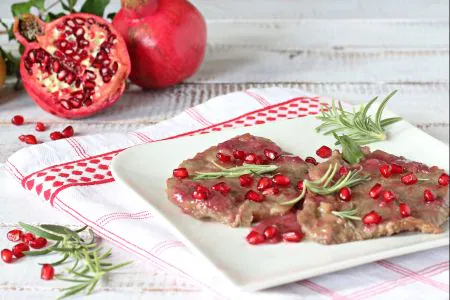
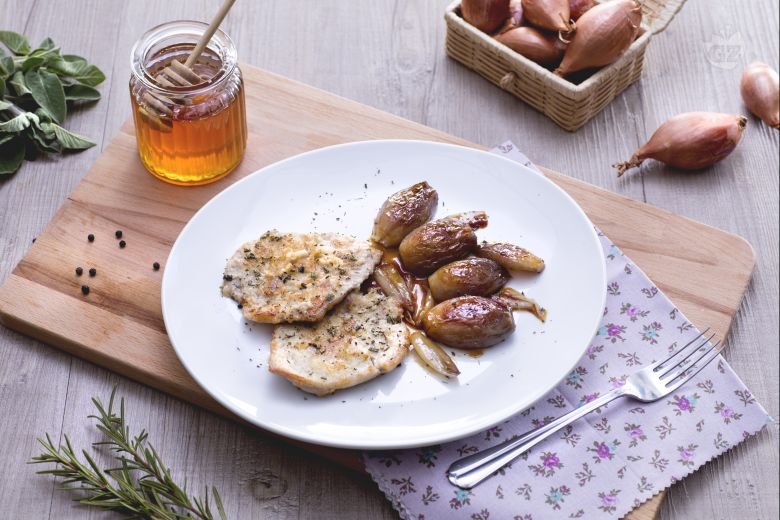
Rosemary and Sage Scaloppine with Caramelized Shallots takes the cut somewhere other than the classic al limone—instead of a bright, acidic finish, it builds flavor from rosemary and sage together, not one or the other, and leans into a side of shallots pan-caramelized until they go tender and sweet against the herb-laden meat. The aromatics are the starting point, rosemary and sage giving the meat an intensity that a single herb alone wouldn't reach, and the whole dish earns its identity from that combination as much as from the shallots alongside it.
The contrast is the point. The shallots aren't a garnish. They're the deliberate sweet-savory counterpart that gives the dish its character—sweet where the meat is savory and spiced, soft where the scaloppine are quick-seared and firm. Because the cut is thin and fast-cooking, the whole thing stays manageable even as the result feels considered. It's a proper main course that earns its place at the table without demanding much from the cook, and the pan-caramelized shallots are what make it feel original rather than routine.
You might also like:

To prepare the rosemary and sage scaloppine with caramelized shallots, start by preparing some Vegetable broth. While preparing the vegetable broth, take the shallots. Remove their outer skin and cut them in half. Now take a non-stick pan and drizzle in the oil. Add the halved shallots 1 and turn them to brown evenly. Deglaze with vegetable broth 2 and season with salt 3 and pepper. Cover the pan with a lid and let cook for 10 minutes over high heat, depending on the thickness of the shallot. Poke the shallot with a fork to check if they are cooked.

Once the vegetable broth has evaporated, add the honey 4 and let cook for another 2-3 minutes 5, continuing to turn the shallots 6 to allow even cooking and for the honey to fully blend with the shallots. The shallots will then be ready.

Now proceed to the preparation of the scaloppine. Place the escalopes on a cutting board and cut them into small slices 7. Then pour all-purpose flour into a large container and flour the slices of meat by passing them on all sides 8. It is important that the slices are entirely covered with flour. Set the floured slices aside on a plate. Then take the sage and rosemary. Remove the needles from the woody part of the rosemary. Finely chop sage and rosemary together 9. Set aside the spice mix in a small bowl.

Then take another non-stick pan. Melt the butter over low heat with a drizzle of oil 10. When the butter has melted, add the chopped rosemary and sage 11. At this point, add the white wine to deglaze 12.

Then place your escalopes to cook in the pan 13. Turn the escalopes occasionally to allow even cooking 14. Let cook for 2-3 minutes until they are well browned. Then plate them with the caramelized shallots. Your rosemary and sage scaloppine with caramelized shallots are now ready to serve and enjoy while still warm 15!