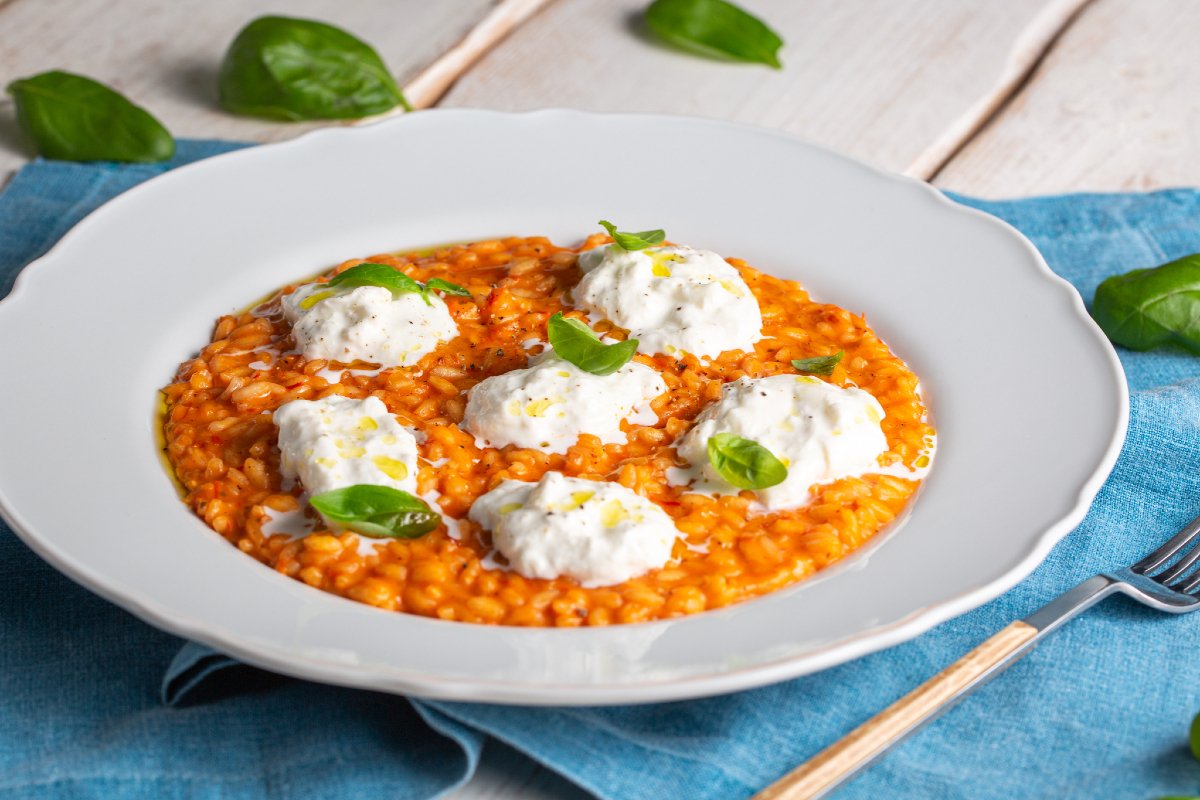
Ossobuco alla Milanese with Yellow Risotto
- 4.3
Traditional Recipes from the Milano Cortina 2026 Olympic Regions
If you’ve ever spent a winter morning in the Dolomites, you know this: mountain air sharpens your appetite.
The regions hosting the Milano Cortina 2026 Winter Olympics (February 6–22) and Paralympic Games (March 6–15) are not only spectacular arenas for sport, they are places where cuisine has evolved in response to altitude, cold winters, and a culture built around endurance and community. This is food designed to sustain skiers, shepherds, woodcutters — and today, Olympic athletes and winter travelers.
From cosmopolitan Milan to the rugged peaks of Cortina and the alpine valleys of Trentino-Alto Adige, here’s what truly defines the flavors of Italy’s Olympic mountains.
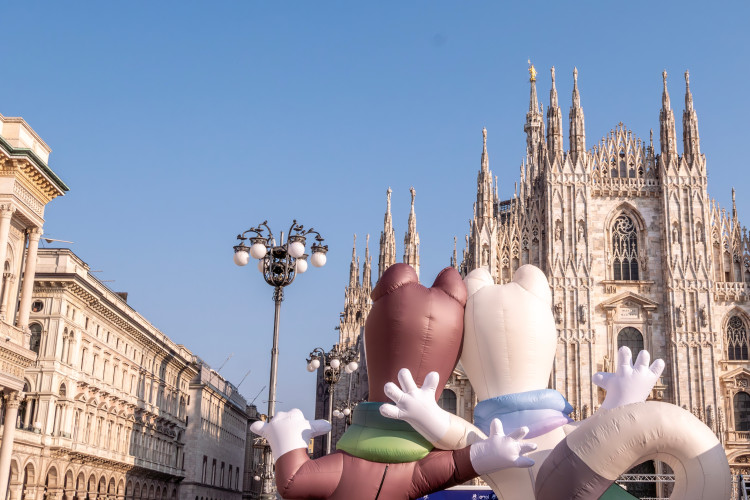
In Lombardy, the spirit of the Milano Cortina 2026 Olympics bridges two worlds: the urban sophistication of Milan — a global capital of design, fashion, and finance — and the rugged beauty of the Alpine mountains that define the region’s northern edge. Milan’s cosmopolitan energy contrasts with snow-capped peaks, while destinations like Livigno, one of the official Olympic sport venues for freestyle and snowboarding, showcase world-class winter sports and authentic mountain culture high in the Alps.
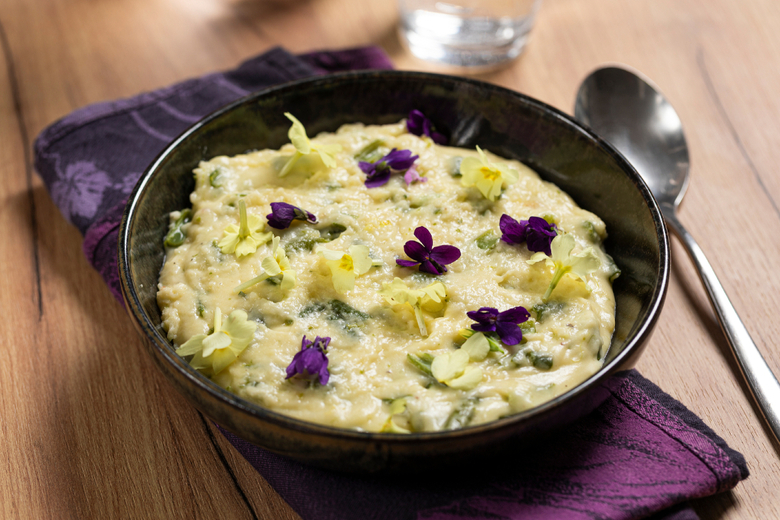
No dish represents Lombardy more than Risotto alla Milanese. Made with high-starch Carnaroli or Arborio rice and infused with saffron, it’s a study in balance: creamy but structured, rich yet elegant. The technique matters here, slow toasting of the rice, gradual addition of hot broth, and the final mantecatura with butter and Parmigiano Reggiano. The result is silk on a spoon. Traditionally paired with ossobuco, it’s the kind of meal you crave after a cold evening walk through Milan during the Games.
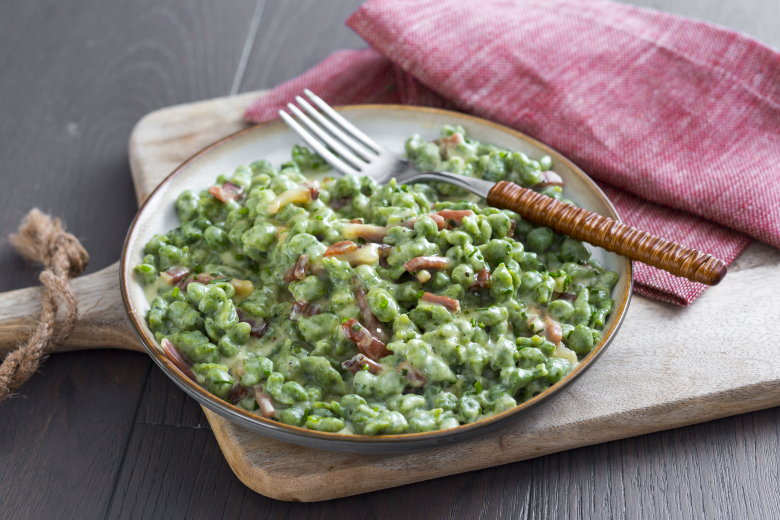
Short, flat buckwheat pasta reflect the mountain climate where wheat was scarce but buckwheat thrived. The pasta is layered with Savoy cabbage, potatoes, garlic-infused butter, and generous amounts of Valtellina Casera cheese. This is not delicate food. It is nourishing, deeply savory, and unapologetically rustic, exactly what you want after a day on the slopes.
No visit to Valtellina is complete without tasting sciatt, which in local dialect means “little toads,” a playful reference to their irregular shape. These crisp, golden fritters are made with a buckwheat batter that encases a cube of melting Valtellina Casera cheese. Fried until crunchy on the outside and irresistibly gooey at the center, sciatt are traditionally served hot over a bed of lightly dressed chicory. Rustic, indulgent, and deeply tied to the territory, they’re the kind of après-ski bite that disappears in seconds.
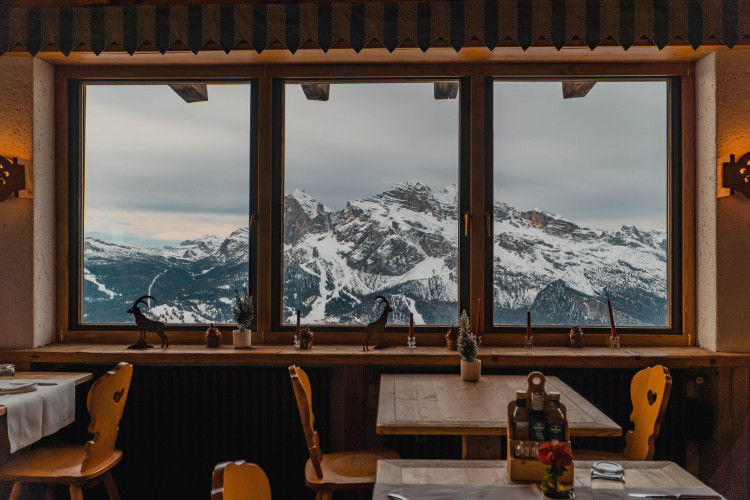
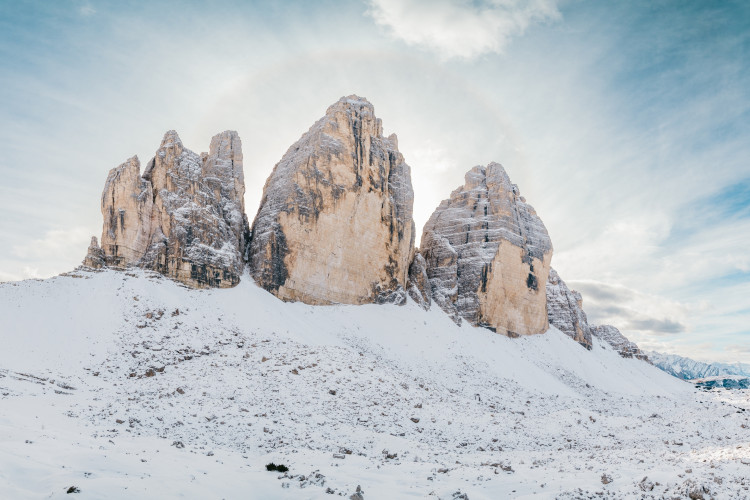
Cortina d’Ampezzo sits in the heart of the Dolomites, a UNESCO World Heritage landscape of dramatic limestone peaks. Ladin heritage is still deeply woven into everyday life, from the language spoken in the valleys to the recipes preserved in family kitchens. This ancient Alpine culture, rooted in the Dolomites for centuries, shapes a cuisine that is resilient, seasonal, and unmistakably tied to the rhythm of mountain living.
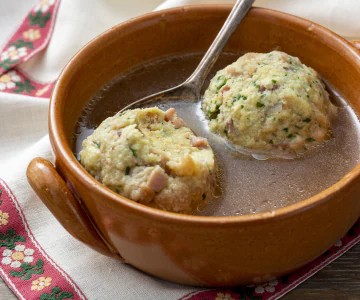
In the mountains, nothing is wasted. Canederli, large bread dumplings enriched with speck or cheese, were born from the need to use stale bread. Mixed with milk and eggs, shaped by hand, and either simmered in broth or dressed with melted butter, they are the essence of alpine ingenuity. Dense, warming, and deeply satisfying, they are classic après-ski fare.
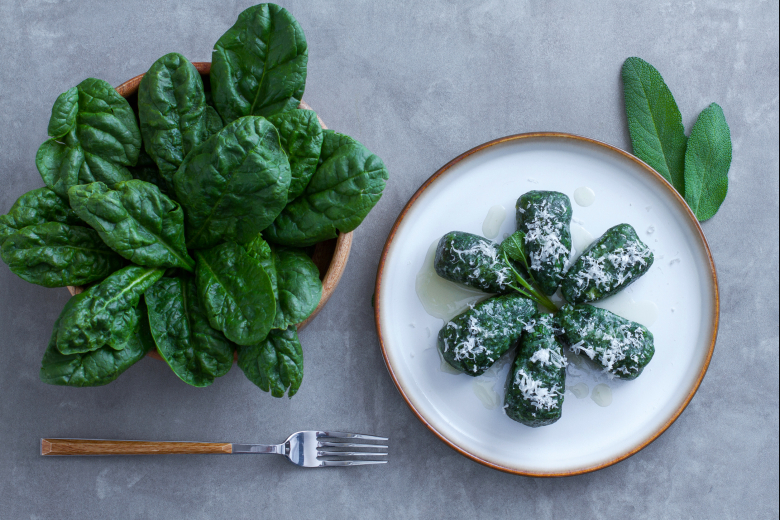
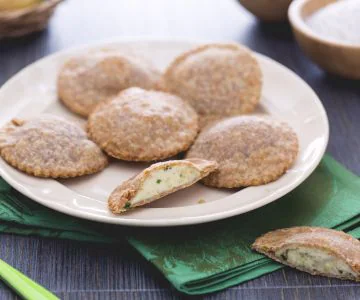
Expression of Ladin mountain cooking is tirtlan, crisp, golden-fried pastries made from a simple dough and traditionally filled with spinach and ricotta or sauerkraut. Tirtlan reflect the alpine instinct for hearty, practical food built from local ingredients. Fried until blistered and lightly crisp, they offer a satisfying contrast between delicate filling and rustic exterior, the kind of warm, handheld comfort you crave after a morning on the slopes in Cortina.
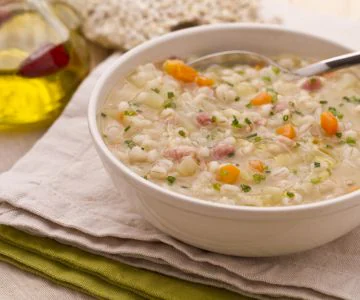
In the Dolomite valleys that will host several Milano Cortina 2026 events, Ladin barley soup remains a winter essential. Made with pearl barley, root vegetables, and often enriched with speck, this thick, slow-simmered soup was shaped by the demands of high-altitude life. It delivers steady, sustaining warmth — exactly what you need after hours spent watching alpine skiing or snowboarding in the crisp mountain air. Simple, nourishing, and deeply tied to the territory, it embodies the quiet resilience of Dolomite cuisine.
Mountain cuisine is built around resilience and sharing. It is practical, seasonal, and deeply rooted in place. These dishes were never designed for spectacle, yet they are unforgettable.
As Milano Cortina 2026 approaches, the spotlight will shine on breathtaking slopes and world-class athletes. But just beyond the arenas, in wood-paneled dining rooms and alpine huts, another story unfolds, one of butter sizzling in a pan, broth simmering slowly, and recipes passed down for generations.
To truly experience the Italian Winter Olympics and Paralympics, you don’t just watch the Games. You taste them.